
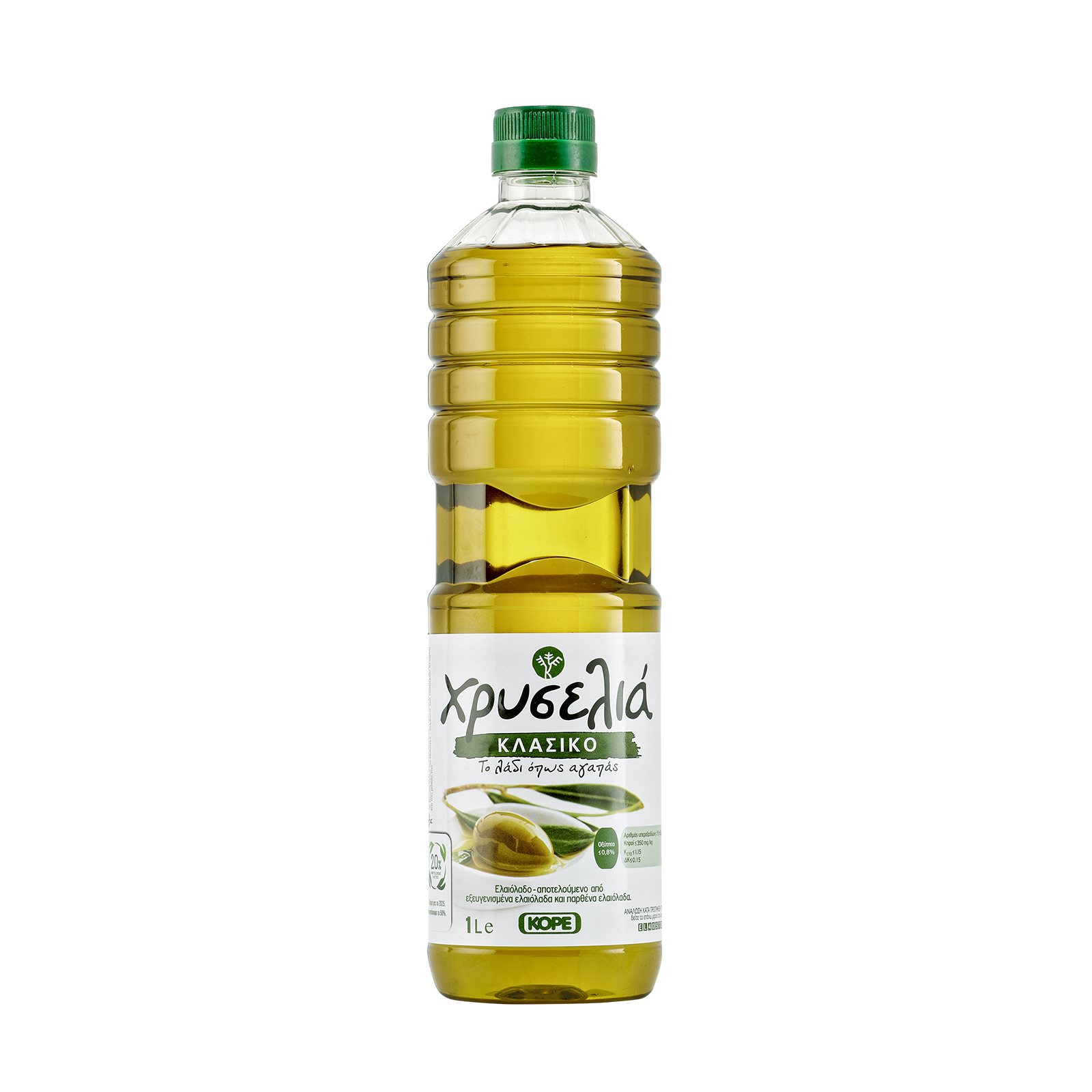
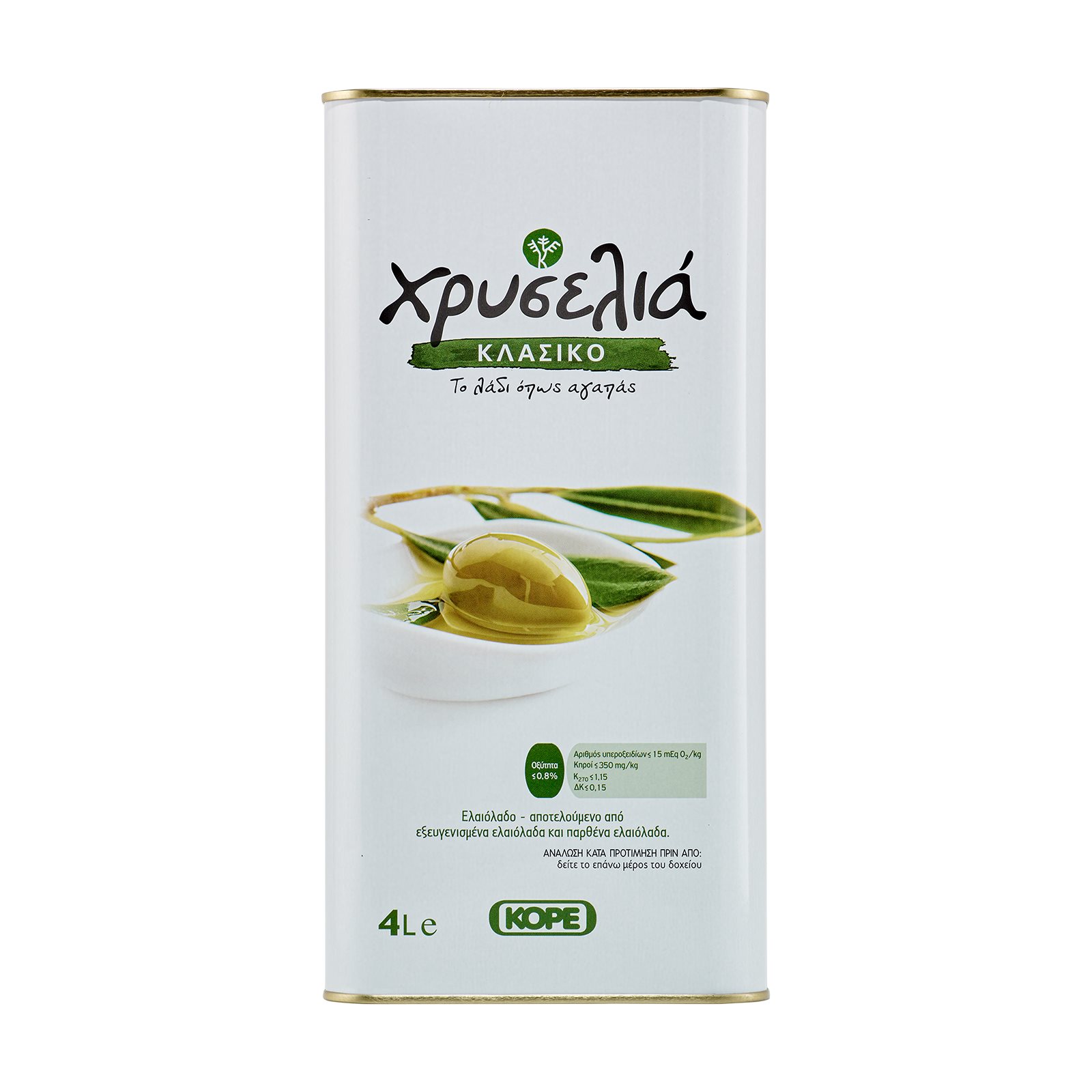
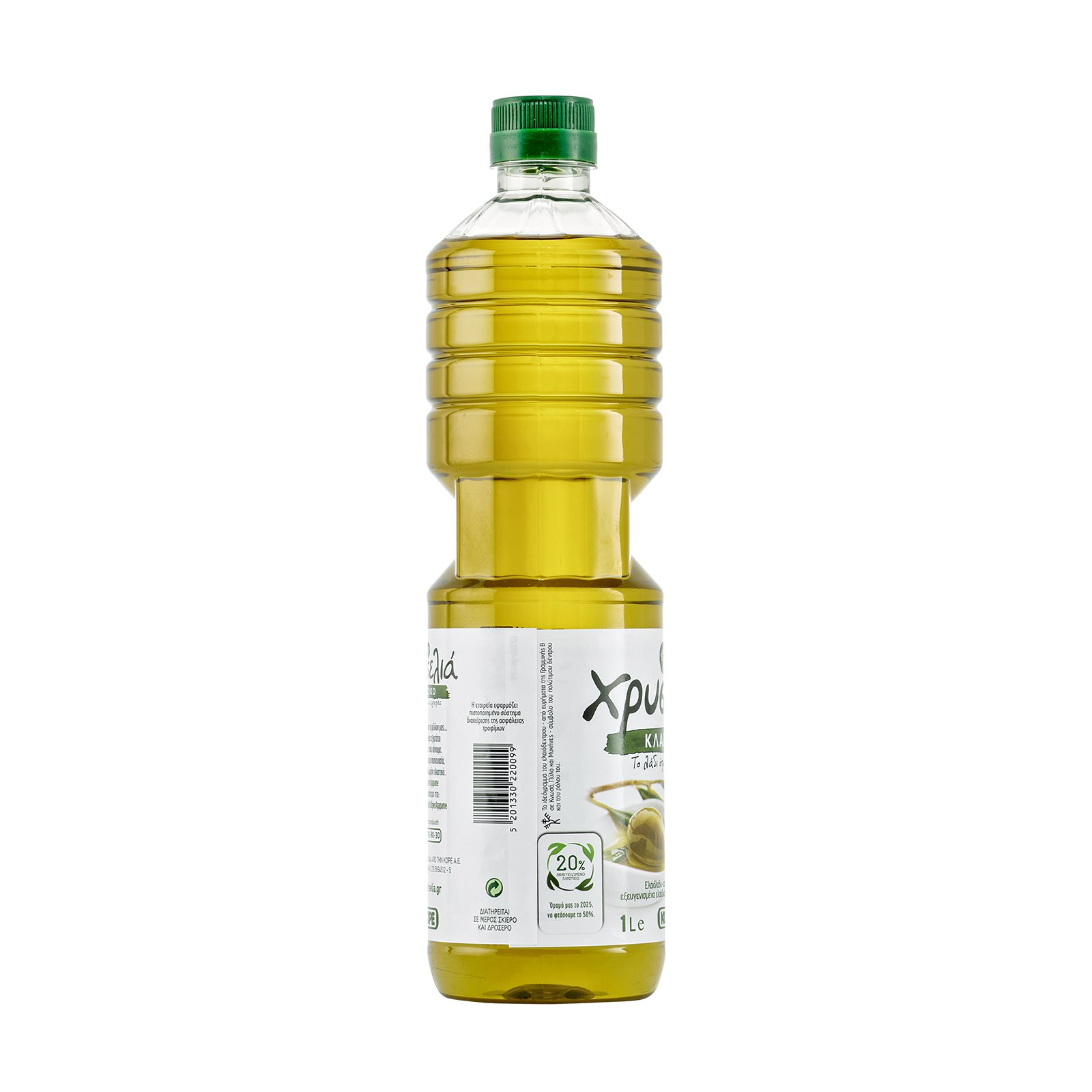
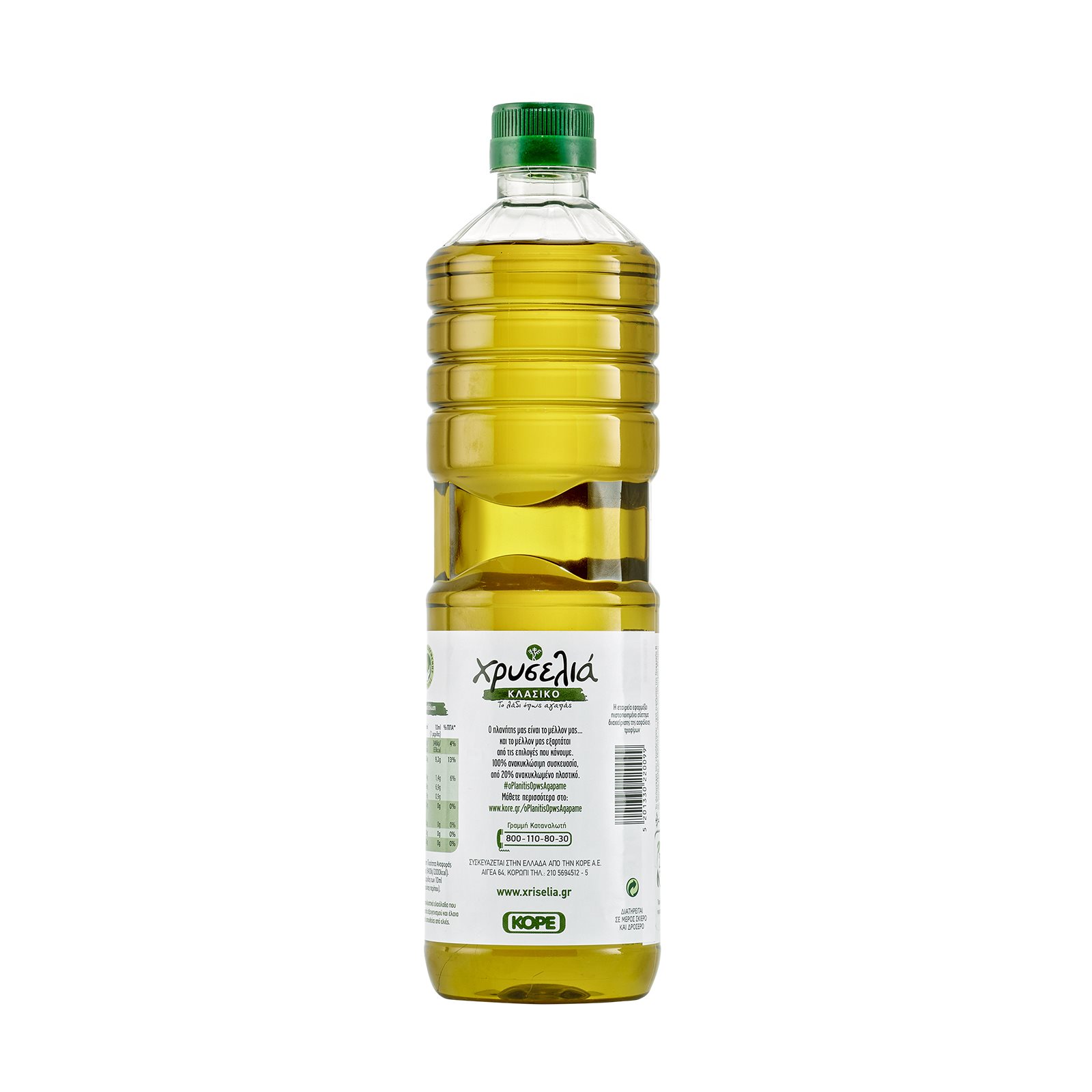
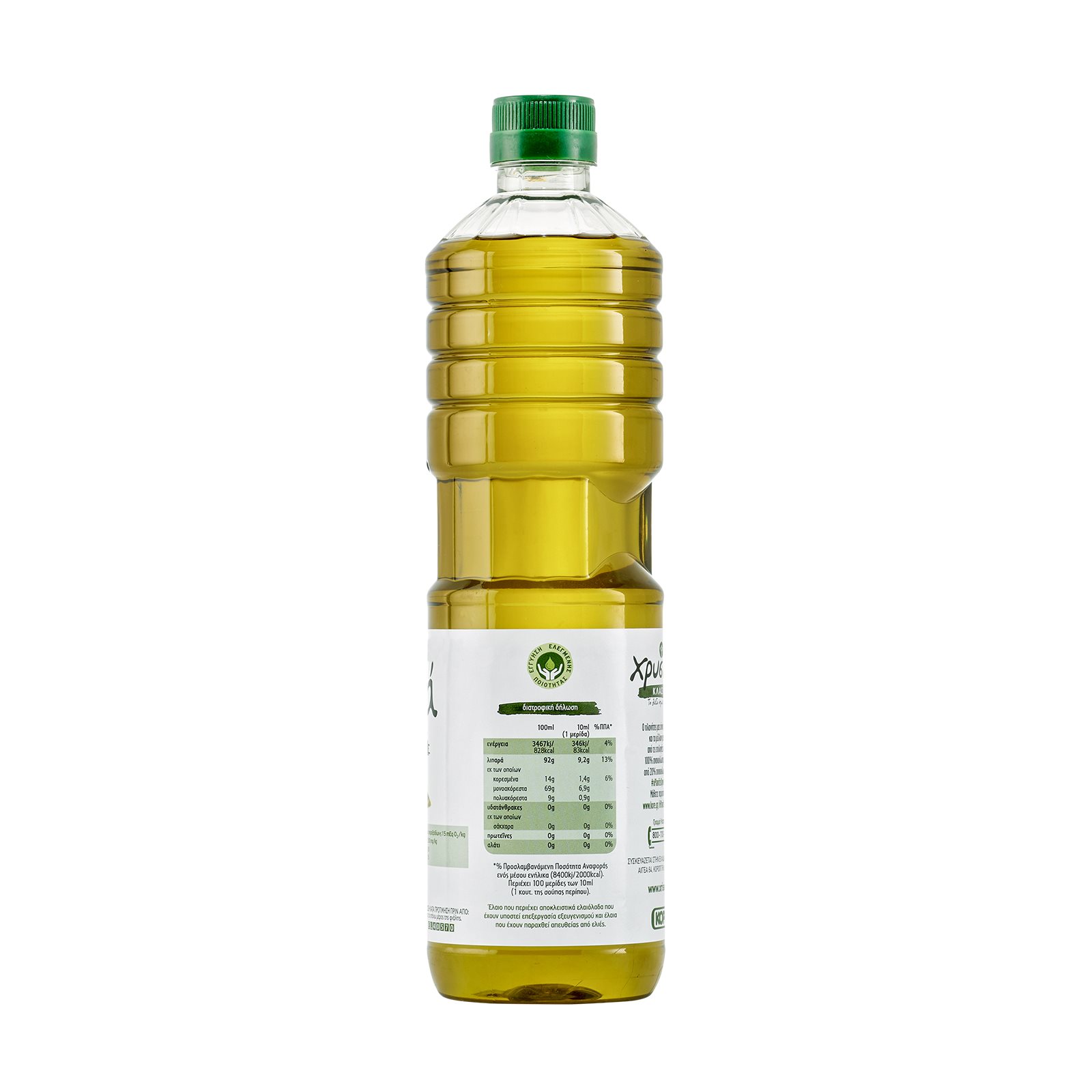
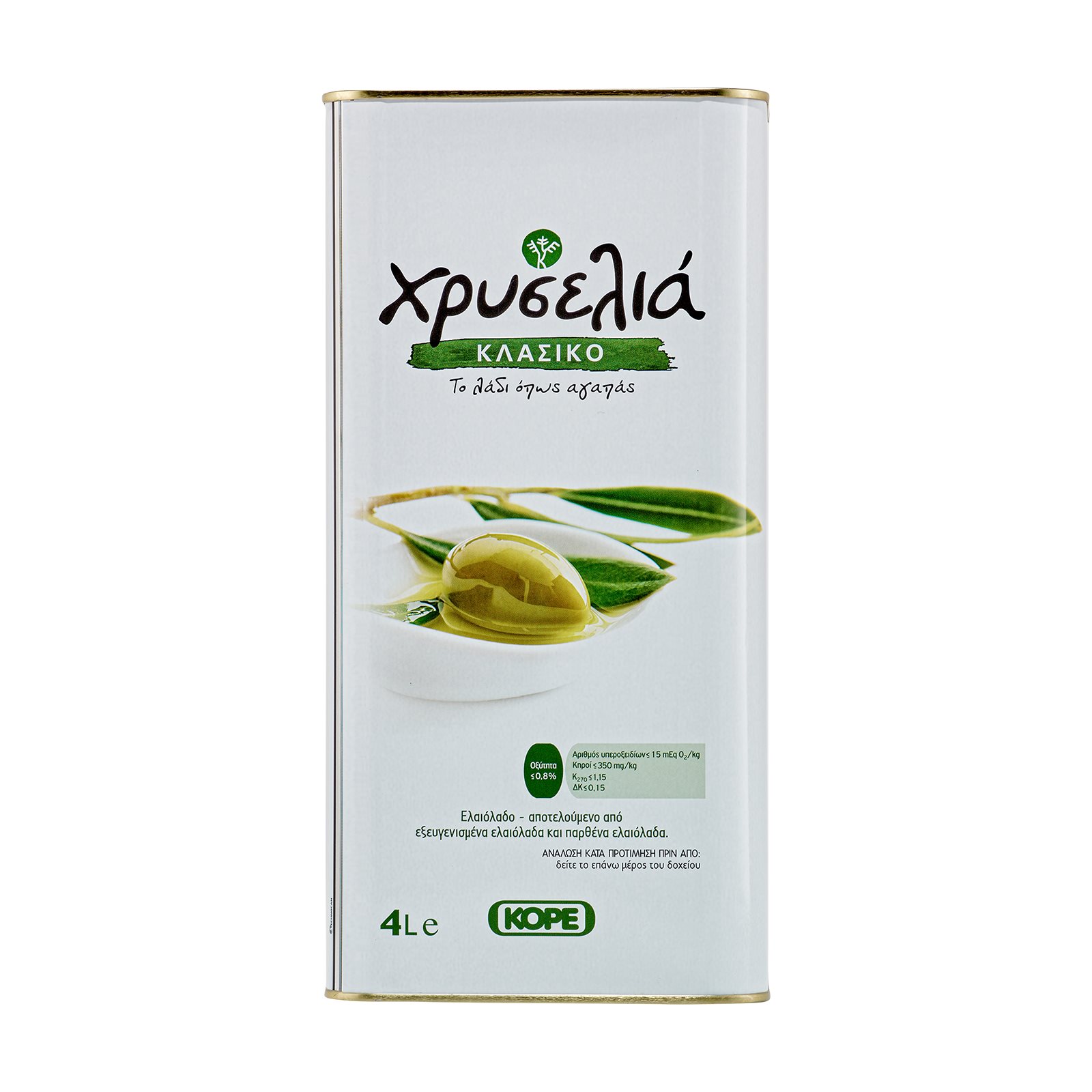
New Harvest Premium Extra Virgin Olive Oil.
No Preservatives, New Harvest, Freshly Pressed on same day of Olives Harvest
Extra Virgin Olive Oil. The process of extracting the olive oil from the olive fruit is carried out on the same day and in very low temperatures to preserve all the fruits goodness and very low acidity. The procedure takes place under health control supervisors and the support of state-of-the-art machinery. Is a unique, fruity extra virgin olive oil with exceptionally low acidity ideal for all your culinary needs. Use it in your cooking or raw, as a dresser for your salads.
PDO means its a Protected Destination of Origin, EVOO means Extra Virgin Olive Oil (very low acidity – below 0,8%), this product specifically has an acidity of just 0,2%
Extra virgin olive oil is the purest form of oil that comes straight from the olive trees, without having undergone industrial processing. It has a strong fruity taste and the distinct aroma of freshly cut olives. A pleasant bitterness and a short-term burning sensation in the esophagus can be present. With a striking 75% of Greek olive oil production being extra virgin, Greece holds the first position worldwide in its production. Expressed in oleic acid, Extra Virgin Olive oil is the olive oil whose acidity does not exceed 0.8% ;. Acidity is one of the main criteria for olive oil quality, and the lower the acidity, the higher the quality.
🫒 What is Greek Extra Virgin Olive Oil?
Extra Virgin Olive Oil is the highest grade of olive oil — cold-pressed, pure, unrefined, and full of flavor and nutrients. In Greece, EVOO isn’t just food; it’s tradition, medicine, and identity. Over 80% of Greece’s olive oil production is extra virgin — the highest ratio in the world.
🇬🇷 Why Greek EVOO Stands Out
Native olive varieties (like Koroneiki, Manaki, Tsounati, and Athinolia) thrive in rocky, sunbaked soils.
Olives are often hand-picked or gently combed to protect fruit quality.
Minimal processing: cold-pressed within hours of harvest.
Comes from small family-owned groves and age-old co-ops, not industrial giants.
PDO & PGI designations protect origin and authenticity (e.g., Kalamata PDO, Sitia Lasithiou PDO).
✨ Characteristics
Color: Ranges from bright green to golden — depends on variety and harvest time.
Aroma: Fresh-cut grass, green tomato, artichoke, almond, herbs.
Taste:
Early harvest oils (agoureleo): peppery, bold, bitter — medicinal.
Late harvest oils: smooth, buttery, fruitier.
Acidity: Must be ≤ 0.8% to qualify as extra virgin (Greek oils often fall between 0.2–0.5%).
🌍 Key Regions
Region Olive Variety Notes
Kalamata (Messinia) Koroneiki Fruity, balanced, globally awarded
Crete (Sitia, Kolymvari) Tsounati / Koroneiki Herbal, complex, PDO protected
Lakonia Athinolia Delicate, sweet, grassy
Lesvos (Mytilene) Kolovi Light, floral, less bitter
Ithaca & Ionian Islands Dopia Rare, aromatic, artisanal
🍽️ How to Use It
Raw: Drizzled over horiatiki salad, feta, or dakos.
Cooked: Saute, roast, or even bake — Greek EVOO can handle heat.
Medicinally: A tablespoon on an empty stomach — the old Ikarian way.
📝 Quick Snapshot
Property Description
Grade Extra Virgin (cold-pressed, unrefined)
Acidity ≤ 0.8% (Greek oils often lower)
Flavor Fruity, peppery, herbal, grassy
Nutrients Rich in polyphenols, vitamin E
Shelf Life 18–24 months (store away from light & heat)
In the past few years, the increase in the price of olive oil and the cost of its production (due to inputs such as fertilizers), packaging, and logistics have created a great challenge for both producers and consumers. However, this liquid gold still seems worth every penny thanks to its superior characteristics and health benefits.
While many cooks are substituting less expensive oils for olive oil at home and in restaurants, olive farmers and others working in the sector have a good reason and solid justification for pointing out that olive oil is not only more flavorful than many alternatives of vegetable oils but considerably more nutritious.
Decades of in-depth scientific studies have confirmed many ancient and traditional beliefs about olive oil’s health benefits and introduced new information about them and the science behind them. Research continues, but already there is ample evidence that olive oil—especially extra virgin olive oil (EVOO)—is likely to contribute to human health and well-being in numerous ways.
As a central part of the traditional Mediterranean diet, which is widely considered one of the healthiest diets overall, regular consumption of olive oil has been associated with healthy aging and longevity, as well as a reduced risk of metabolic syndrome and various diseases. Both the European Food Safety Authority (EFSA) and the US Food and Drug Administration (FDA) allow specific, limited health claims for olive oil, although they refer to just a small fraction of the potential benefits of olive oil for which recent research provides evidence.

Referring to an earlier emphasis on the healthy type of fat in olive oil, which can help lower LDL (bad) cholesterol levels, the FDA endorsed this qualified health claim: using “olive oil daily may reduce the risk of coronary heart disease due to the monounsaturated fat in olive oil.” In 2012, the EFSA inspired a new wave of research by approving a claim for olive oils that contain a specified amount of some of the natural healthy compounds called polyphenols, including oleacein and oleocanthal: “olive oil polyphenols contribute to the protection of blood lipids from oxidative stress.” That leads to protection from heart attack and stroke.
Since 2012, a great deal of research on olive oil and health has focused on the beneficial effects of the phenolic compounds that occur in varying levels in olive oil, with the largest quantity of polyphenols generally found in early harvest extra virgin olive oil. Many factors affect polyphenol levels, including olive variety, grove location, climatic conditions, harvest time, the production process, transportation and storage methods and conditions, and time since production.
Scientists have found evidence that the polyphenols in olive oil (including the best-known oleocanthal) have antioxidant, antimicrobial, anti-clotting, and anti-inflammatory effects, suggesting that they can help prevent such illnesses as cardiovascular disease, Parkinson’s, atherosclerosis, chronic fatigue syndrome, and fibromyalgia. Scientists have also discovered that certain polyphenols can lower the risk of contracting COVID-19, kill cancer cells and help stop cancer from spreading, improve outcomes for people with diabetes, reduce blood pressure, and help prevent strokes and Alzheimer’s.
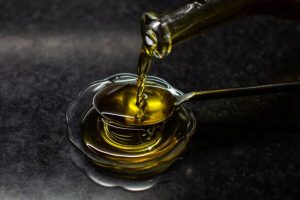
Extra virgin olive oil is also rich in squalene, an anti-inflammatory, antioxidant, antibacterial, and possibly anti-carcinogenic compound believed to have many benefits for the skin. Moreover, squalene is being studied for its potential to help fight off several diseases.
To fully enjoy the health benefits olive oil can offer, daily consumption of two to three tablespoons of extra virgin olive oil is recommended, preferably raw—although olive oil has also been identified as the healthiest oil to cook with, and studies have shown that cooking vegetables in olive oil increases their nutritional benefits. Olive oil has even proven to be useful in a weight loss or weight management program since it can help people eat more vegetables and feel full longer.
Given the long list of health benefits associated with olive oil (on top of its unique flavors), numerous olive oil companies are highlighting their products’ health value and the methods they use to optimize it (such as reduced or no irrigation, an early harvest, prompt milling under particular conditions, and specific storage and packaging procedures). A few companies/producers are even packaging EVOO and other olive oil products in medicine bottles to be sold in pharmacies as supplements.
Some producers send their olive oil to laboratories that measure and certify the level of specific healthy compounds in a given oil sample, and impressive results are often shared on websites, social media, and newsletters. Several international olive oil competitions now award EVOOs with particularly high levels of various healthy elements, providing companies with another way to emphasize their products’ health benefits.
The widespread concern with health and wellness since the COVID-19 pandemic may offer olive oil professionals a way to overcome consumers’ hesitation about paying the price the “liquid gold” of olive oil deserves.
| Weight | 1Lt-33.8 fl oz, 2Lt-70.54 fl oz, 4Lt-141.09 fl oz |
|---|


Reviews
There are no reviews yet.