Newsletter!

Get timely updates from your favorite products

You have been successfully Subscribed! Ops! Something went wrong, please try again.
Edit Template

Search for Products:

Explore, Discover, and Find Your Favorite Greek Flavors

We respect your privacy, your searches are secure.

Edit Template

Search for Products:

Ut elit tellus, luctus nec ullamcorper mattis, pulvinar dapibus leo.

We respect your privacy, your searches are secure.

Edit Template

    No Products in the Wishlist

Greek Olives a Land

Greek Olives — The Timeless Fruit of the Mediterranean

For over 4,000 years, the olive tree has stood as a sacred symbol in Greek culture — a gift from the gods, a bearer of life, taste, and tradition. Its fruit, the olive, is more than just food; it is a cornerstone of the Mediterranean diet and an emblem of Greek heritage and gastronomy.

What Are Greek Olives?
Greek olives are the fruit of the Olea europaea tree, thriving under the Mediterranean sun, in the rugged soils and coastal breezes of Greece. Unlike table fruits, olives are naturally bitter when harvested and require careful curing and preparation to become edible — a process perfected over generations.

How Are Greek Olives Produced?
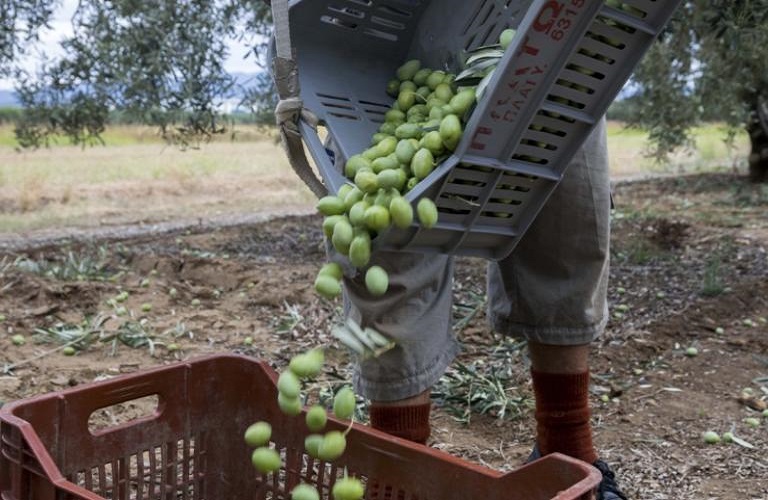
Harvesting is done either by hand or using traditional methods that protect the delicate fruit. The olives are then sorted by variety, size, and ripeness before entering the curing process — essential to remove bitterness and enhance flavor.

Curing methods include:

  • Brine curing: Soaking olives in salted water for several weeks or months, allowing natural fermentation to bring out a rich, tangy taste.

  • Dry curing: Packing olives in salt to draw out moisture, often resulting in wrinkled, intensely flavored olives.

  • Lye curing: Used to neutralize bitterness quickly before brining.

  • Natural fermentation: A slower, traditional method where olives ferment in brine, developing complex flavors naturally.

After curing, olives are often marinated in olive oil, vinegar, herbs, or spices, enhancing their unique taste profiles before packaging.

Famous Greek Olive Varieties:

  • Kalamata: Almond-shaped, dark purple to black, known for their rich, fruity flavor and meaty texture. Protected designation of origin (PDO) from Kalamata, Peloponnese.

  • Halkidiki (Green Olives): Large, crisp, with a mild and slightly peppery taste — often stuffed with garlic, almonds, or peppers.

  • Amfissa: Round, black or brown olives from Central Greece, soft texture with a balanced sweet-sour taste.

  • Throuba: Naturally sun-cured olives, especially from Thassos, wrinkled appearance with a distinct, sweet taste.

How to Enjoy Greek Olives:
Greek olives are enjoyed in countless ways — served whole as table olives, included in salads (like the famous Greek salad), meze platters, or paired with cheeses, bread, and wines. They are also used in cooking, baking (like olive bread), or crushed into tapenades and spreads.

Whether eaten straight from the jar or savored at a seaside taverna, Greek olives offer a taste of tradition, a touch of the sun, and a direct link to a culture where food is life, and every olive tells a story.

Greek Olives — The Story of a Fruit, a Land, and a People

Long before nations were drawn on maps, before myths were written down, the olive tree spread its roots deep into the Greek soil — a silent witness to wars, loves, harvests, and hymns to the sun. Legend says it was Athena herself who gifted the olive tree to the people of Athens, a symbol of peace, wisdom, and prosperity. And from that divine gift, a timeless story began.

In the rugged hills of Kalamata, the sun-kissed groves of Halkidiki, the ancient lands of Amfissa, and the rocky shores of Thassos, olive trees twist their gnarled trunks toward the sky. Some have stood for centuries — weathering storms, basking in endless summers, their branches heavy with dark, glistening fruit.

But olives are not plucked and eaten like other fruits. They are bitter by nature, as if guarding their precious taste.
The harvest is a ritual.
Hands — rough from work, gentle with tradition — gather them carefully. Some green and firm, others ripe and deep purple. They are sorted, blessed almost, and then sent to rest in brine, to cure in salt, or to soak in oils and herbs. Days turn into weeks, sometimes months, as the bitterness fades and the flavors bloom.

Each region has its secret:
The bold, almond-shaped Kalamata olives — dark, rich, with the taste of sun and earth.
The plump, green Halkidiki olives — crisp, vibrant, bursting with Mediterranean zest.
The soft, round Amfissa — gentle on the palate, with whispers of sweet and sour.
The wrinkled, sun-dried Throuba from Thassos — naturally sweet, like a secret kept by the sea.

And when they reach the table — ah, that’s when the real magic happens.
A bowl of olives is never just a snack.
It’s a companion to conversation, a silent guest at every gathering. They sit beside crusty bread, a wedge of feta, a carafe of wine. They tell stories of summer lunches under vine canopies, of fishermen’s tales, of old friends laughing until nightfall.

Greek olives are not a trend.
They are a legacy — of patience, nature, craft, and life shared in simple moments.
A taste of history in every bite.
A piece of Greece you don’t just eat — you feel.

Previous Post
About Ouzo

Leave a Reply

Your email address will not be published. Required fields are marked *


You may also like...

  • All Posts
  • Articles
  • Recipes
  • Uncategorized
  • Uncategorized
  • Uncategorized
  • Uncategorized
  • Uncategorized

Best Selling Products

Naturally made, full of character, and ready to elevate your kitchen with real, honest taste.


Copyright © 2025 / All Rights Reserved / Design & Writing by Savodor Group Team